
Every year, on the first Monday in May, a flight of carpeted steps on Manhattan's Upper East Side becomes the most photographed staircase in the world. Movie stars, musicians, designers, athletes, and the occasional head-turning unknown ascend toward the Metropolitan Museum of Art in clothes that took months to imagine and an afternoon to assemble. Cameras flash. The internet melts. And by Tuesday morning, the looks have been ranked, memed, and dissected on every continent.
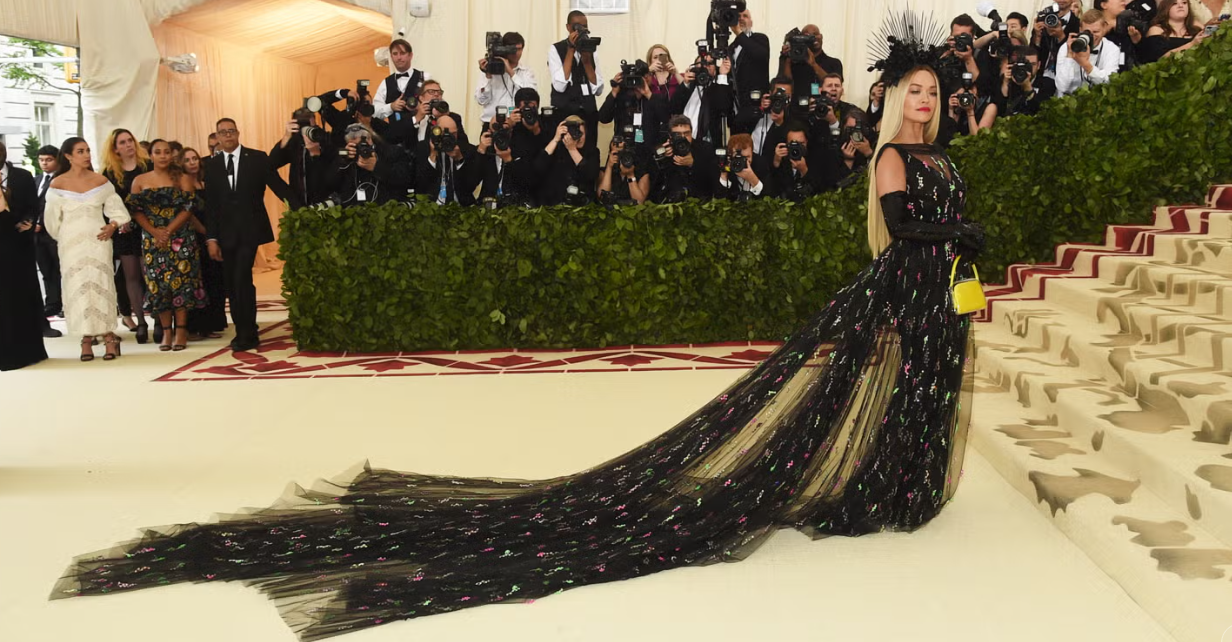
That spectacle has a name most people know — the Met Gala — and a purpose most people forget. Underneath the couture and the commentary, it is, and has always been, a fundraiser. The whole glittering machine exists to support one quiet corner of the museum: the Costume Institute. Understanding how a charity dinner became "fashion's biggest night" is a story about ambition, reinvention, and one very good idea that kept getting bigger.
The Met Gala at a glance: a timeline
- 1937
The Museum of Costume Art is founded to house thousands of historic garments.
- 1946
The collection merges into the Met and is renamed the Costume Institute.
- 1948
Eleanor Lambert hosts the first benefit: a $50 midnight supper, "the Party of the Year."
- 1948–71
A roving society dinner travels among venues like the Waldorf Astoria, with no theme.
- 1972
Diana Vreeland moves the event into the museum and ties each night to an exhibition.
- 1973
Exhibition-linked themes take hold, beginning with "The World of Balenciaga."
- 1989
Vreeland dies, having made the benefit glamorous and celebrity-driven.
- 1995
Anna Wintour becomes chair and begins scaling the gala into a global event.
- 2000s
The date settles on the first Monday in May; the red carpet becomes the main event.
- 2015
"China: Through the Looking Glass" draws record crowds and wide debate.
- 2018
"Heavenly Bodies" becomes one of the most-attended shows in the museum's history.
- 2025
"Superfine: Tailoring Black Style" raises roughly $31 million in a single night.
- 2026
"Costume Art" opens the Costume Institute's first permanent galleries.
The cause beneath the spectacle
Before there was a gala, there was a collection that needed a home. In the 1920s and '30s, stage designer Aline Bernstein and director Irene Lewisohn began gathering historical garments and theatrical costumes, eventually amassing thousands of pieces and founding the Museum of Costume Art in 1937. In 1946 that collection merged into the Metropolitan Museum of Art and was renamed the Costume Institute.
A new department inside a major museum needs money to operate, and that is the problem the Met Gala was invented to solve. Everything that came afterward — the themes, the celebrities, the dress codes argued over for weeks — grew out of that simple need for funding.
1948: The Party of the Year
The first event was dreamed up in 1948 by Eleanor Lambert, a fashion publicist whose fingerprints are all over the modern industry. She helped launch New York Fashion Week and later co-founded the Council of Fashion Designers of America, and she understood, decades ahead of her peers, that fashion needed publicity as much as it needed talent. Working alongside Dorothy Shaver, the president of the retailer Lord & Taylor, Lambert staged a midnight supper and billed it, with characteristic confidence, as "the Party of the Year."
Tickets cost fifty dollars. The crowd was New York's social set mixed with people from the garment trade. There was no red carpet as we'd recognize it, no theme tied to an exhibition, no army of stylists. It was a dinner for a good cause, dressed up in the best clothes the guests owned.
The Lambert years: a moving party
For more than two decades, from 1948 into the early 1970s, the gala wandered. It was not yet held inside the Met at all. Instead it migrated each year through the city's grand venues — the Waldorf Astoria, the Rainbow Room at Rockefeller Center, even Central Park. The guest list leaned heavily toward society figures, museum trustees, and fashion insiders, with little of the celebrity wattage that would later define it. Entertainment ran toward skits, raffles, and pageants. It was glamorous in the way a well-run charity ball is glamorous: exclusive, elegant, and mostly invisible to the world beyond New York.
Diana Vreeland and the birth of the theme
The turning point came in 1972, when Diana Vreeland joined the Costume Institute as a consultant. Vreeland had been editor-in-chief of Vogue and possessed an instinct for theater that the polite supper format had never tapped. She made two changes that altered the event's DNA.
First, she brought the party home, staging it inside the Metropolitan Museum itself. Second — and this is the innovation that still governs the gala today — she tied the evening to the Costume Institute's exhibitions, giving each year a theme. Shows like The World of Balenciaga and The Glory of Russian Style turned the gala into the celebratory opening of a curated exhibition rather than a freestanding dinner.
Vreeland also understood spectacle. She opened the guest list to artists and entertainers — Andy Warhol, Cher, Diana Ross — and indulged in lavish, theatrical touches, even having theme-appropriate perfume pumped through the galleries. By the time she died in 1989, having shaped roughly a dozen and a half of these evenings, she had transformed a society fundraiser into a glamorous, exclusive event that drew record crowds into the exhibitions it celebrated.
Anna Wintour and "fashion's biggest night"
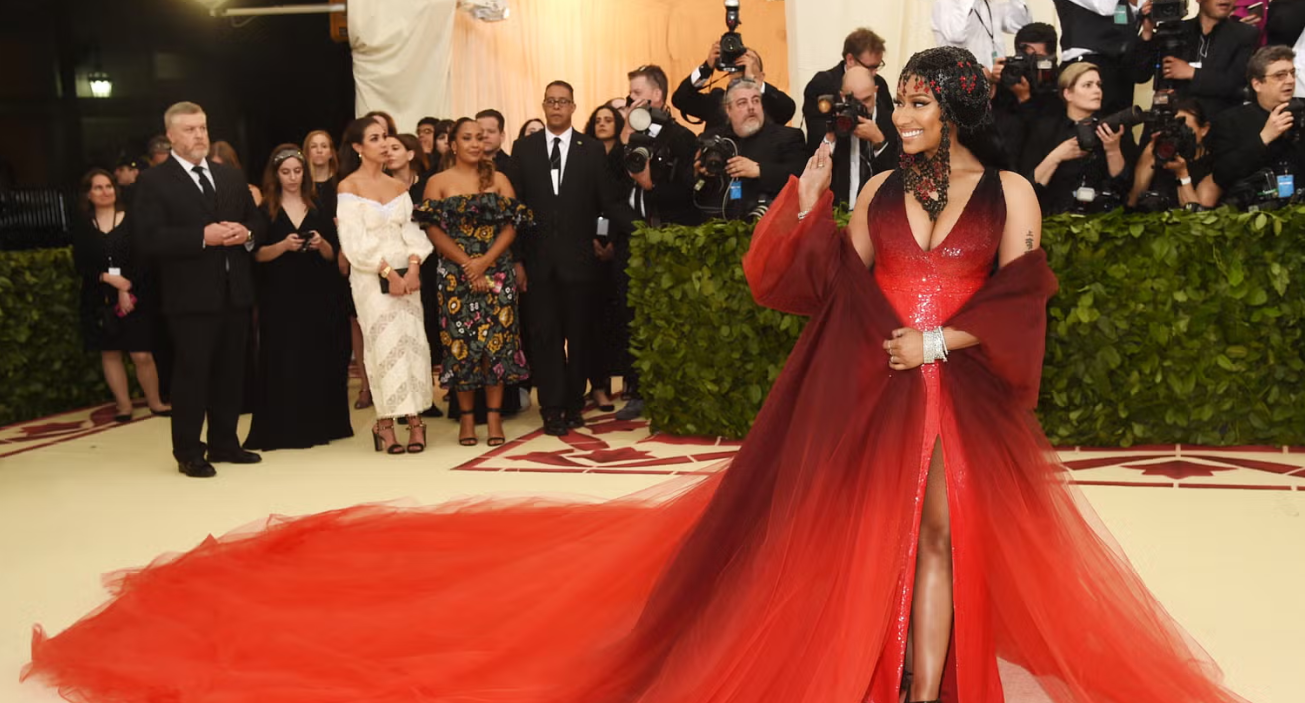
If Vreeland gave the gala its theatrical soul, Anna Wintour gave it global scale. The longtime editor-in-chief of Vogue became chair of the event in 1995, and under her direction it grew from an insider affair into the most watched night on the fashion calendar.
Wintour fixed the date to the first Monday in May, giving the event a permanent place in the cultural year. She tightened the guest list to roughly 650 to 700 people and made herself the gatekeeper, personally approving who attends — and, famously, weighing in on what they wear and which designers dress them. Tables are typically purchased by fashion houses, which then fill the seats with the stars they're outfitting for the night. The result is a carefully choreographed convergence of fashion, celebrity, and media that, by design, lands everywhere at once.
This is the era when the red carpet itself became the main event. As stylists began planning looks months in advance and social media turned every entrance into shareable content, the gala stopped being something that happened to a few hundred guests and became something experienced by hundreds of millions. Exhibitions like China: Through the Looking Glass in 2015 and Heavenly Bodies in 2018 drew enormous crowds — and, at times, real debate about cultural representation, proof that the event had become big enough to matter beyond fashion.
How the machine works now
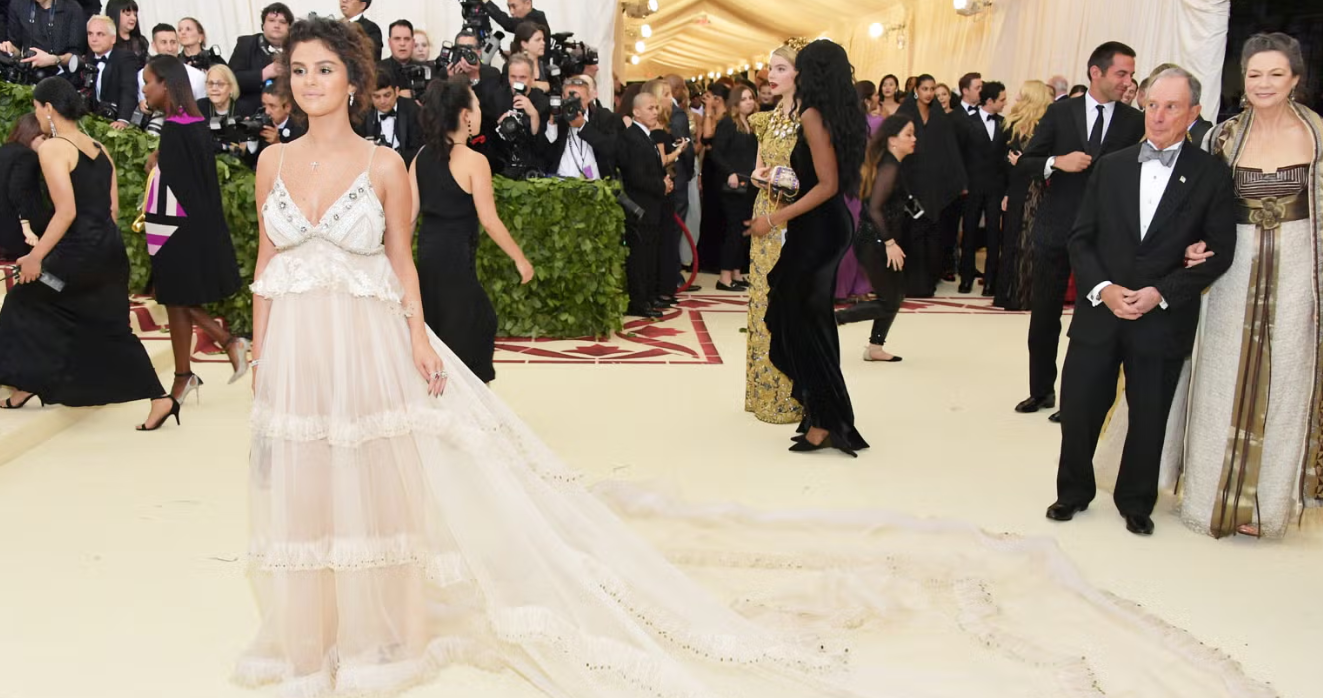
For all the theatrics, the fundamentals Lambert established in 1948 are intact. The Met Gala is still the Costume Institute's primary fundraiser, and it still opens that year's spring exhibition. What has changed is the scale of the money. Individual tickets have climbed to around $75,000, with tables starting near $350,000 — a steep distance from the original fifty dollars. The 2025 edition raised roughly $31 million in a single night, and across its history the gala has brought in well over $175 million for the Costume Institute.
The annual rhythm is now familiar: a theme is announced, tied to the upcoming exhibition; a dress code follows; guests and their stylists spend months interpreting it; and on the first Monday in May, the steps fill with the results. The 2025 theme, Superfine: Tailoring Black Style, drew on scholarship about Black dandyism and asked guests to dress "tailored for you." For 2026, the Costume Institute turns to Costume Art, an exhibition that pairs garments with paintings and sculptures from across the museum's collection to argue that fashion belongs alongside any other art form. Fittingly, it will inaugurate the institute's first permanent home, the nearly 12,000-square-foot Condé M. Nast Galleries beside the Met's Great Hall.
The same idea, scaled up
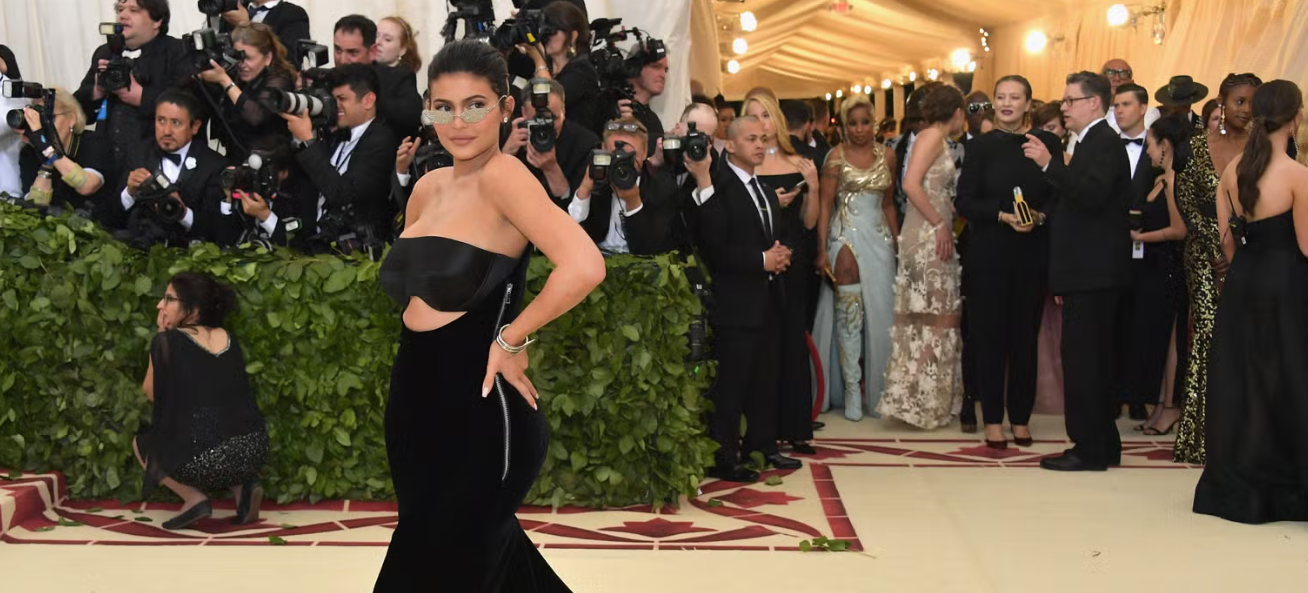
It's easy to look at the Met Gala today — the seven-figure tables, the global livestreams, the gowns engineered like architecture — and assume it was always destined to be a phenomenon. But its arc is more instructive than that. A publicist with a knack for attention saw that a museum department needed funding and decided the way to raise it was to throw the best party in town. An editor with a sense of theater linked that party to the art on the walls. Another editor with a sense of scale opened it to the world.
Strip away seventy-five years of accumulated spectacle and the Met Gala is still doing exactly what Eleanor Lambert designed it to do in 1948: convincing people that supporting a cause and having an unforgettable night out can be the same thing. The clothes get the headlines. The Costume Institute gets the check. And that, more than any gown, is the trick worth remembering.
Photos: Jamie McCarthy/Getty Images